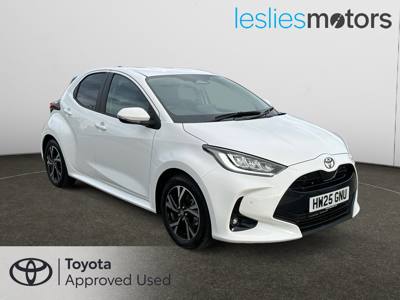
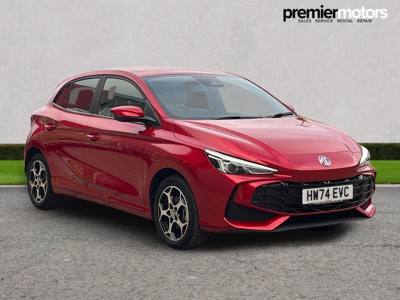
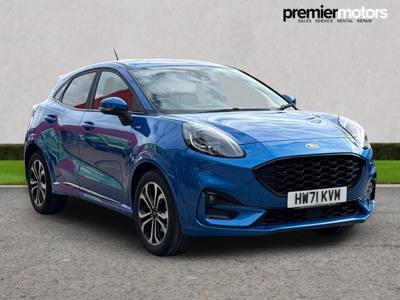
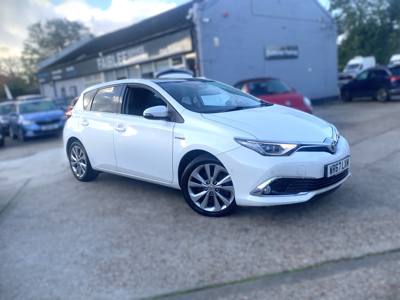
- Range is rarely a problem on an island 23 miles across. Even an older, smaller-battery EV covers a typical week.
- Home charging is what makes an EV cheap and easy. Without a driveway, check what's near you first.
- The thing to check on a used EV is battery health, not mileage.
- Not ready for a plug? A self-charging hybrid suits short island trips almost as well.
There are 34 electric and 99 hybrid cars for sale from island dealers today. Here's how to tell whether one suits you, and how to check a used one.
Range: why the island is ideal
Range anxiety comes from long motorway trips. On the island, most journeys are under ten miles, and the longest everyday drive, from the West Wight to Bembridge, is about 25. Compare that with what used EVs can actually do:
That opens up the cheaper end of the used EV market. Older small-battery cars that would be a struggle on the mainland can make perfect island runarounds, as long as you're not regularly taking them over on the ferry for long trips.
Charging on the island
At home
Home charging is the key to cheap, easy EV ownership. A wallbox on a driveway charges a car overnight. Many owners on the island get by with an ordinary three-pin socket and a proper EV "granny" cable, because their daily miles are so low: it adds very roughly 8 to 10 miles of range an hour. Have an electrician check the socket and wiring first, and never use a household extension lead.
What would charging cost you?
A rough guide using home electricity. Change the numbers to match your tariff and car.
The 27p a kWh is a typical standard rate. An off-peak EV tariff can cut it sharply. Public chargers, especially rapid ones, cost a lot more.
Without a driveway
This is the hard part, and it's worth checking before you buy. Look at Zap-Map's live map for chargers near your home and work, and whether they're working and in use. Things are changing: in March 2026 the Isle of Wight Council awarded a contract for over 1,500 public chargepoints, mostly on-street in residential areas for people who can't charge at home. They're being rolled out over the coming years, so check what's actually live near you rather than what's planned.
Checking a used EV's battery
An electric car's battery slowly loses capacity with age and use. The question isn't the mileage, it's how much of the original battery is left. This is called its state of health (SoH).
- Ask for a battery health reportMany dealers can give you one from a diagnostic tool or the maker's own check. Over 80 to 85% of original capacity is generally good for an older EV. Be wary of any seller who won't show you one.
- Charge it to full and look at the rangeThe car's own estimate isn't exact, but if a car that should show 150 miles shows 90 at 100%, ask why.
- Check the battery warrantyMany manufacturers cover the battery for 8 years or 100,000 miles, often against falling below about 70% capacity. It can transfer to you, so check the dates.
- Test the chargingPlug it in at the viewing if you can, and check the charging cable comes with it. A replacement can cost a couple of hundred pounds.
- Check the 12-volt battery and tyresEVs still have a small 12V battery that can go flat, and they're heavy, so they can wear tyres quicker.
Running costs and road tax
Charged at home, an EV usually costs far less per mile than petrol, and there's no oil change, clutch or exhaust to wear out. Servicing is usually cheaper too. Road tax has changed, though: since April 2025 electric cars pay it like everyone else.
| Electric car first registered | Road tax a year (2026/27) |
|---|---|
| Between March 2001 and March 2017 | £20 |
| Between April 2017 and March 2025 | £200 |
| From April 2025 | £10 in year one, then £200 |
Some EVs that cost over £40,000 new (£50,000 for newer electric cars) also pay an expensive car supplement of £440 a year in years two to six. Check the exact figure for any car on GOV.UK. Rates as of October 2026. More on all of this in what a car really costs to run.
Hybrids: the halfway house
Self-charging hybrid
- No plug, no change of habits
- Best in slow town traffic, where island driving happens
- Usually automatic
- Happy with short trips, unlike a diesel
Plug-in hybrid
- 20 to 40 miles on electric alone, enough for most island days
- A petrol engine for ferry trips and long drives
- Only cheap to run if you plug it in
- Check the battery and charging cable as for an EV
If you mostly do short runs and want to avoid a diesel's DPF worries, both are worth a look. Why diesels and short trips don't mix.
34 electric and 99 hybrid cars from island dealers today.