- Island trips are short. Most are under ten miles, so petrol, hybrid or electric usually suits better than diesel.
- Smaller is easier in the lanes, the old town centres and seafront car parks.
- The hills are real. Check the clutch, brakes and cooling, or consider an automatic.
- You rarely need big range, top speed or a huge boot. Spend the money on condition instead.
The Isle of Wight is about 23 miles from east to west and 13 from north to south, with around 550 miles of road. Almost nowhere is more than a 45 minute drive from anywhere else. That's very different from mainland driving, and it should change what you look for in a used car.
How far island journeys really are
Newport sits in the middle, and most trips are a short hop to or from it. These are rough road distances. Your route and the season will change the time it takes, but not by much.
That has three knock-on effects. Range and motorway comfort matter much less than on the mainland. The engine is often cold, because many trips end before it warms up. And you'll spend more of your driving in towns, lanes and car parks than at speed.
Petrol, diesel, hybrid or electric?
For most island drivers, petrol or hybrid is the safe choice. Electric works well too, especially if you can charge at home.
| Fuel | Suits island life? | Why |
|---|---|---|
| Petrol | Yes | Cheaper to buy, happy with short trips, simple to maintain. |
| Hybrid | Very well | Short, slow town driving is where hybrids save the most fuel. No plug needed for a self-charging hybrid. |
| Electric | Very well, with home charging | Any modern EV covers a week of island driving on one charge. Electric on the island. |
| Diesel | Only with regular longer runs | Modern diesels need sustained drives to clean their particulate filter. Why short trips clog DPFs. |
On the island right now: 637 petrol, 330 diesel, 99 hybrid and 34 electric cars and vans are for sale.
Size: lanes, old towns and parking
Much of the island's road network is narrow: high-hedged lanes in the south and west, steep old streets in Ventnor and Cowes, and seafront car parks with tight bays. A smaller car is simply less stressful here.
- Width matters more than length. Mirrors-out width decides whether you can pass a tractor or a bus in a lane. Many modern SUVs are over two metres wide with the mirrors out; a supermini is usually around 1.9 metres.
- Look for parking sensors or a camera if you're going bigger. They're common on cars from the last ten years and make tight bays far easier.
- A tight turning circle helps on hill-town streets and when you meet something coming the other way.
- Check the wheels for scuffs. Kerbed alloys and scraped bumper corners tell you how hard a car's life in town has been.
Hills: what they do to a car
From St Boniface Down above Ventnor to the streets of Shanklin, Cowes and Ryde, island hills are short but steep. They are hard on three things:
- The clutch. Lots of hill starts wear it faster. Test one on the drive. A clutch that bites very high, or revs without pulling, is on its way out.
- The brakes. Long descents heat them up. Listen for grinding, and feel for judder through the pedal.
- Cooling. A slow climb in summer traffic is a good test. Watch the temperature gauge.
An automatic takes the clutch out of the equation. 40% of the island's stock is automatic today. Automatic or manual for island hills?
Salt air
Being by the sea means rust. Whatever you buy, check underneath, and give older cars a wash underneath after winter. The salt air and rust guide shows where to look.
What you can skip paying for
Island life lets you ignore some things mainland buyers pay for:
Worth paying for
- Condition underneath
- Full service history
- Parking sensors on bigger cars
- Heated windscreen for cold, damp mornings
Less important here
- Huge range or a big fuel tank
- High top speed and power
- Motorway-focused extras
- Large alloy wheels (pricier tyres, easier to kerb)
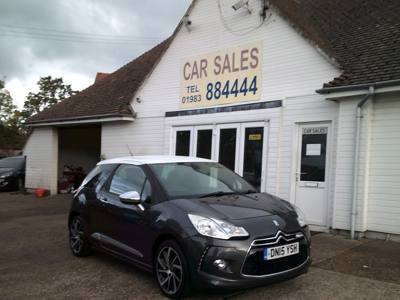
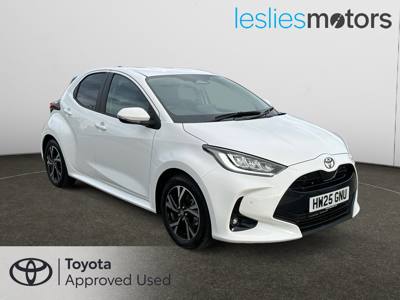
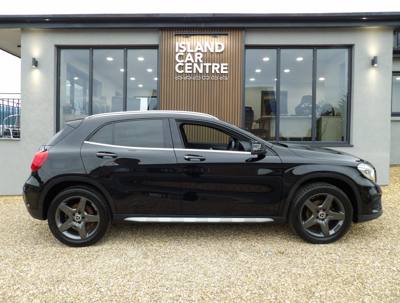
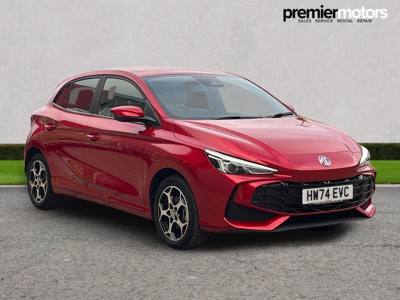
Petrol, hybrid and electric cars with good economy, from island dealers.