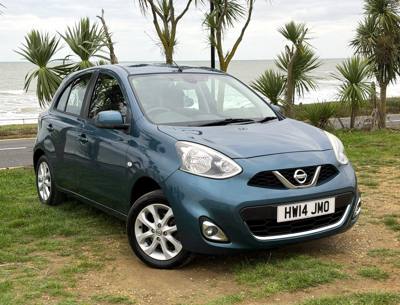
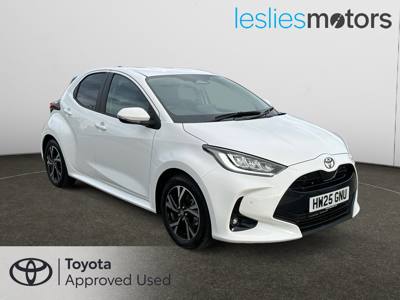
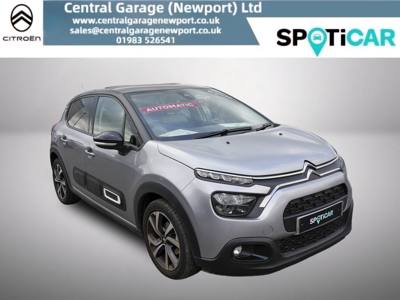
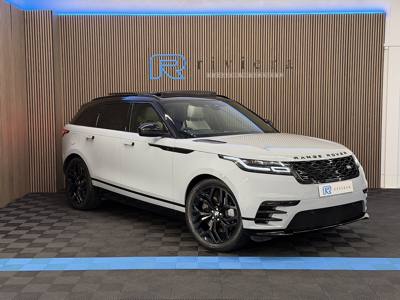
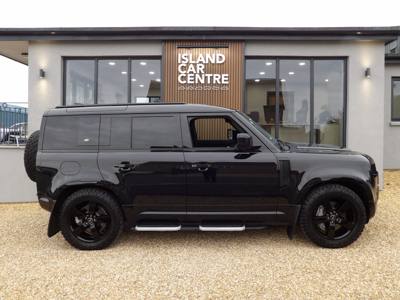
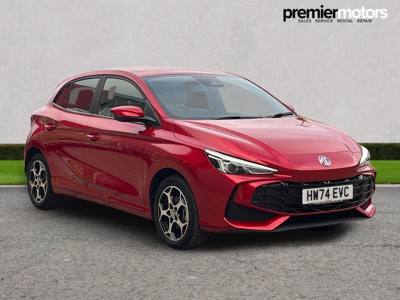
- Island driving is hills, junctions on slopes and slow summer queues. That's where an automatic earns its keep.
- "Automatic" covers four quite different gearboxes. Know which one a car has before you buy it.
- A manual is cheaper to buy and simple to fix, and modern ones often have hill start assist.
- On a test drive, an automatic should pull away and change gear smoothly, with no clunks, slips or judder.
Why the island makes the case for an automatic
The Isle of Wight packs a lot of hills into a small space. Ventnor is built into the side of St Boniface Down, Shanklin's Old Village and the roads up from Ryde and Cowes seafronts are steep, and plenty of junctions sit on a slope. Add summer traffic through Newport and along the seafronts, and island driving is a lot of stopping and starting on hills.
That's exactly what an automatic is good at. No clutch to slip, no rolling back, no aching left leg in a queue. It also means less wear on a clutch, which is one of the bigger bills on a manual that does lots of short, hilly trips.
The four kinds of automatic
Car adverts often just say "Automatic". Underneath, it can be one of four quite different designs. The type changes how the car feels and what to check.
Torque converter
The classic automatic, used in many larger cars and SUVs. Smooth and tough, and good at creeping in traffic and holding on hills. They need their fluid changed at the intervals in the service schedule, though some makers claim it's "sealed for life". On the test drive, gear changes should be smooth and the revs shouldn't flare up between gears.
Dual clutch
Very common in Volkswagen group cars (where it's called DSG), and in many Ford, Renault, Hyundai, Kia and other models. It's really two manual gearboxes with computer-controlled clutches, so changes are quick and it's efficient. The trade-off is low-speed behaviour: some can feel hesitant pulling away or judder in stop-start traffic, which is exactly island driving. Some early versions had a poor reputation, so check the service history for gearbox work and software updates, and ask whether the clutch pack or mechatronic unit (its control unit) has ever been replaced.
CVT
A continuously variable transmission has no fixed gears. It keeps the engine at the best speed for the job, which is efficient but can feel odd: the revs rise and stay high as you speed up. Most self-charging hybrids use a related design that's simple and has a good reliability record. A conventional CVT needs fluid changes on time. Listen for whining, and feel for shudder when pulling away.
Automated manual
Found on older small city cars. It's a manual gearbox with a robot doing the clutch, so it's cheap, but changes can be slow and the car can nod forward as it shifts. It's fine once you learn to lift off the accelerator slightly at each change, but it's the least relaxing on hills.
Manuals and hill starts
A manual is still a sensible choice, especially on a budget. They're cheaper to buy, simple to repair, and many drivers like the control. Most cars from the last decade or so also have hill start assist, which holds the brakes for a second or two while you move your foot to the accelerator.
Which suits you?
A quick steer
Four questions. It's a rule of thumb, not a verdict.
Licences, prices and running costs
- Licence. If you passed your test in an automatic, you can only drive automatics. If you passed in a manual, you can drive both.
- Price. On older cars, an automatic usually costs a bit more than the same car with a manual gearbox. There are 441 on the island today, so there's plenty of choice.
- Fuel. The old rule that automatics use more fuel is mostly gone. Many modern automatics match or beat the manual version.
- Repairs. When an automatic gearbox goes wrong, it costs more than a manual. A clear service history matters more.
Testing an automatic
- Start it from coldSelect Drive and Reverse with your foot on the brake. Engagement should be a gentle nudge, not a thump.
- Creep in trafficLet it crawl along, stop, and crawl again. Judder or hesitation is the main dual-clutch warning sign.
- Pull away on a hillIt shouldn't roll back far or hesitate, then surge.
- Accelerate firmlyChanges should be quick and smooth, with no flare in the revs or slipping feeling.
- Check for warning lightsA gearbox warning, or the car dropping into a limp mode, needs a specialist to look at it before you buy.
- Ask for the historyFluid changes, software updates and any gearbox repairs, on paper.
Our test drive checklist has a full route plan.
441 for sale from island dealers today.